The Carlton Blog
People in Tamil Nadu celebrate the festival of Navratri with much fervour and devotion. However, their style of worship and celebrations differs greatly from those of their counterparts in Western, North, or East India. Navratri Golu in Tamil Nadu is an interesting festive tradition that non-natives may not have heard of, but one which locals have practised for generations to keep their cultural heritage alive. If you are curious about what these festivities entail, it might be a good idea for you to plan a trip to Tamil Nadu this Navratri.
Among all the places in this southern Indian state, the hill station of Kodaikanal truly stands out with its idyllic landscapes, cosy weather, slow-paced lifestyle, scenic sightseeing spots, and charming holiday resorts. It lets you balance spiritual experiences with leisure and recreation, so that you enjoy a festive getaway that is both memorable and relaxing. Read on to know how you can witness the nine-night Navratri Golu celebrations in Tamil Nadu Kodaikanal!
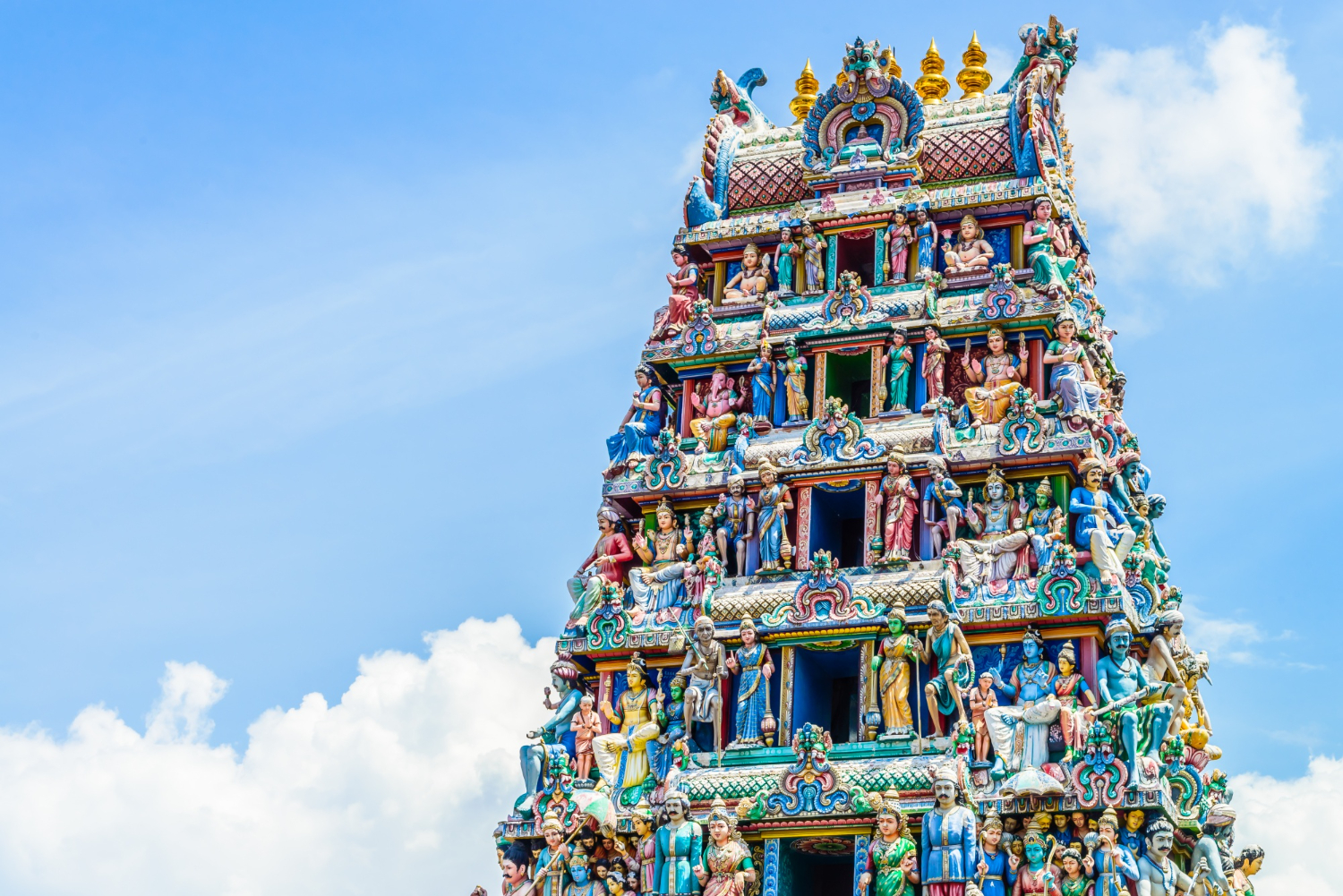
'Golu' is a derivative of the Tamil word 'kolu', which in English translation means 'assembly' or 'arrangement'. Navratri Golu (also referred to as Kolu or Bommai Golu) is therefore a traditional arrangement of miniature dolls and figurines assembled on a tiered platform comprising an odd number (e.g. 3, 5, 7, 9, or 11) of steps. You will find this festive display across many Hindu households in Tamil Nadu during Navratri, the annual nine-night festival that honours the mighty Goddess Durga.
Although Golu's origins are mostly Tamil, people in other South Indian states also follow this practice. (It is called Bommala Koluvu in Telangana and Andhra Pradesh and Gombe Habba in Karnataka).
A Golu set-up typically features revered deities, religious or historical figures, mythological characters, sacred animals, traditional scenes, and representations of daily life. This idol collection may include cherished family heirlooms as well as newer, more contemporary additions. Golu dolls are generally made of terracotta, clay, and wood (Marapachi dolls, a pair of bride and groom figurines that are a key part of a Golu display, are crafted using sandalwood, rosewood, or neem wood).
The idols of gods and goddesses go on the top steps; kings, sages, saints and mythological characters from epics like Mahabharata and Ramayana go on the middle steps; and everyday scenes, be it a farmer at work on a field, a wedding ceremony, children playing, or a market scene with vendors and buyers, go on the lower steps. Thus, this assembly depicts the entire story of universal existence with the divine above, the wise figures who connect the divine and the human in the middle rows, and the natural world and human life below.
Navratri Golu is a significant part of Tamil Nadu's culture, as Tamil parents and grandparents have been using these traditional displays as a storytelling tool for decades to teach young children about ancient myths and history. Not only that, it also brings the community together as neighbours visit each other's houses, compare Golu displays, sing devotional songs and prayers, share traditional food and prasadam, and exchange small gifts. A holiday in Kodaikanal this upcoming festive season can let you personally experience Navratri Golu in Tamil Nadu.
This year, Navratri begins on October 11, 2026, (Sunday) and ends on October 19, 2026, (Monday). It will conclude with Vijayadashami or Dussehra on the tenth day, i.e. October 20, 2026, (Tuesday). Tamil families assemble Golu on the first day of Navratri and keep it on display throughout the nine nights of the festival. They may not complete the whole arrangement on day one itself, but instead add to it gradually day after day. The set-up comes down on Vijayadashami or the day after it, which marks the end of the festivities.
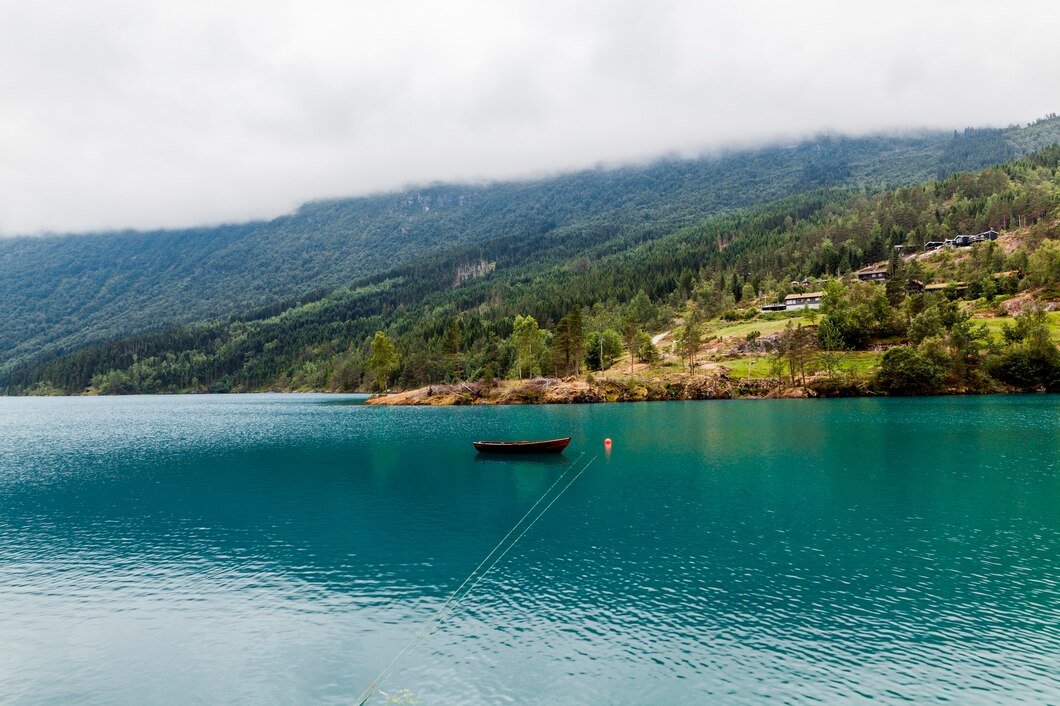
As opposed to the bustling environment of cities, Kodaikanal offers a serene ambience which can make divine experiences in Navratri feel more blissful and spiritually rewarding. During a nature stay in Kodaikanal, you can observe how the locals in this quaint hill town peacefully celebrate Golu amidst the calming backdrop of rolling hills, misty valleys, sparkling lakes, cascading waterfalls, and lush green forests.
The best thing about a Navratri getaway here is that you can escape the stifling heat of the plains and conveniently explore the beautiful hill station before the peak holiday season hits. At the same time, you can lend a festive touch to your otherwise leisure trip, your days beginning with sightseeing in the mornings and ending with a discovery of local Navratri Golu traditions in the evenings.
Unlike the Durga Puja pandals in West Bengal and other types of public Navratri celebrations across the country, Golu in Tamil Nadu is more of an intimate affair as people usually perform all the traditional rituals in their homes. However, it still fosters the spirit of community since they invite neighbours and friends to visit and participate with them in the festivities. Tourists may also get the chance to be a part of this experience.
If you are travelling to Kodaikanal during Navratri and would like a glimpse of how the natives here celebrate, you can check for any festive events, community gatherings, or temple celebrations that are being held locally. Since you may or may not find accurate information about these events online, it is best to interact with the locals and ask them where, when, and how you can join in the hill town's Golu celebrations.
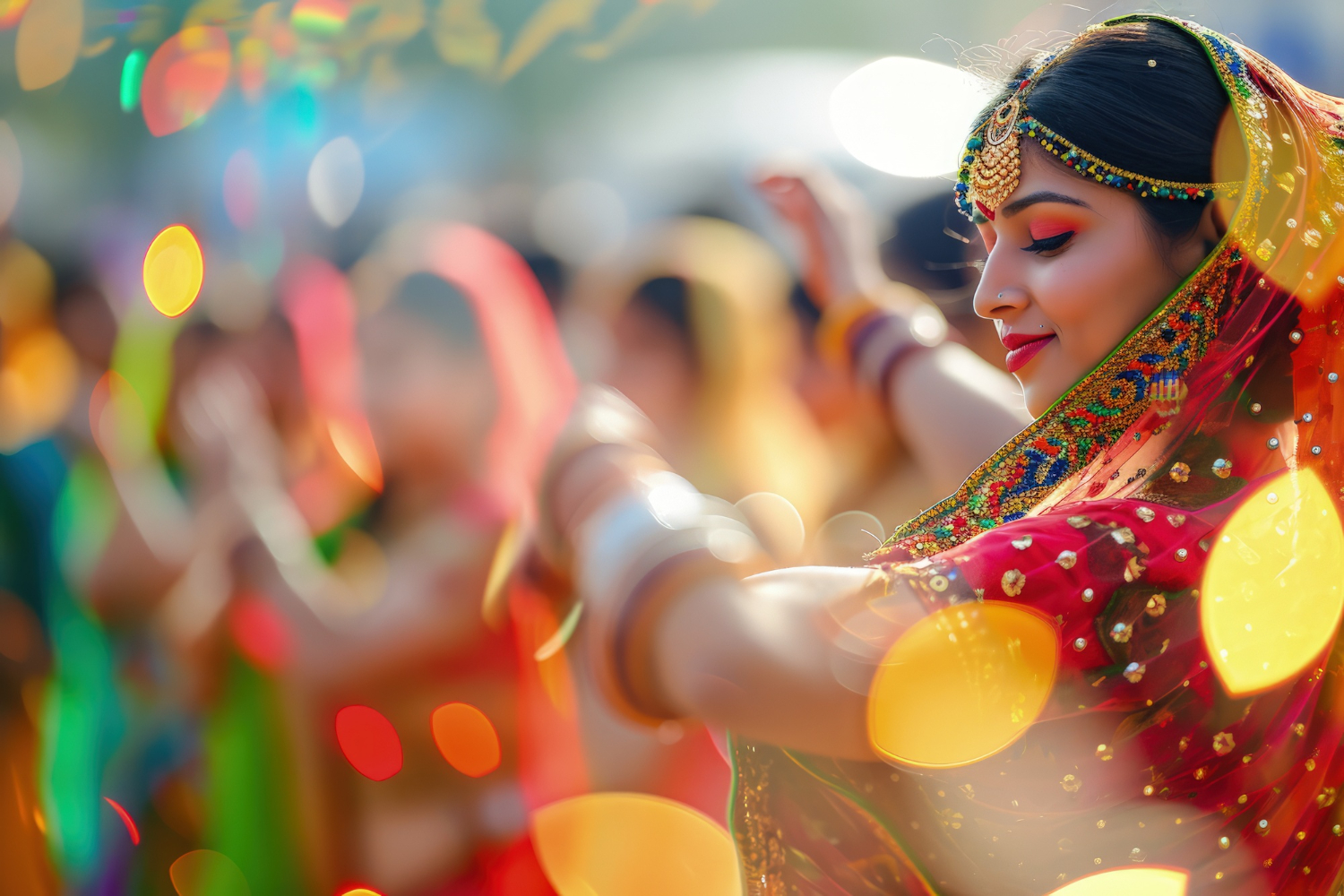
While you need comfortable casual apparel and protective winter garments like sweaters, shawls, scarves, gloves, socks, etc., when visiting Kodaikanal tourist spots, you must also carry a few traditional outfits that you can wear to temples or for local Golu visits and community events during Navratri. For instance, women can adorn salwar kameez, sarees, or kurtis and men can wear kurta pajamas or other suitable festive garments. Fabrics like silk and velvet are highly preferable as they will keep you warm in Kodaikanal's cool climate. Aside from the clothing, you can also bring along traditional footwear, jewellery, and fashion accessories.
Traditional food plays a big role in any Indian festival. Hence, tourists in Kodaikanal must definitely try the regional Tamil cuisine as well as the variety of festive delicacies that locals prepare during Navratri. One of the most popular seasonal delights is the prasadam 'Sundal', a dish made using legumes like chickpeas, black-eyed peas, or green gram. Additionally, you can enjoy traditional sweets, coconut-based preparations, and savoury snacks, among other items here.
Some of the best places to stay in Kodaikanal may offer special festive treats along with the local South Indian fare and multi-cuisine meals at their in-house restaurants, depending on the hotel you choose.
Since Navratri Golu is a small-scale celebration rather than a large extravaganza, you can easily cover all the major Kodaikanal tourist spots in your travel itinerary and still have sufficient time left for leisure or recreational activities and festive outings.
You can spend time by the picturesque Kodaikanal Lake early in the morning, head out for sightseeing of local attractions including Bryant Park, Coakers Walk, Pine Forest, Pillar Rocks, etc., after a hearty breakfast at your hotel, explore local cafes and restaurants for lunch, experience local festivities in the evenings, and return to your accommodation for a comforting dinner at night.
Kodaikanal's joyful yet calm festive atmosphere will certainly make your travel experience more wonderful.
In your search for the best places to stay in Kodaikanal, The Carlton is a renowned heritage retreat that will always come up. Its central location near the Kodaikanal Lake makes it a strategic base from where you can be close to popular tourist landmarks as well as the local Golu celebrations during Navratri. You can experience Tamil Nadu's indigenous traditions and an intimate version of the Navratri festivities in the resort's surroundings.
The Carlton boasts colonial-style architecture, well-appointed luxury rooms and cottages with lake/hill views, high-end restaurants, modern facilities, grand event venues, and world-class hospitality. Besides, you can use the hotel's amenities in your leisure time, or go boating, walking, cycling, and horse-riding by the lake. It is the perfect accommodation to unwind peacefully after a long day of sightseeing, activities, and Navratri-related festive outings.
So, whether you seek relaxation, sightseeing, recreation, gastronomic pleasures, cultural and festive experiences, or simply a tranquil nature stay in Kodaikanal, The Carlton ensures that you can have it all with utmost convenience.
A festive escape to Kodaikanal during Navratri can provide an excellent opportunity to see how native people practise the age-old Tamil tradition of Golu. Contact The Carlton Kodaikanal now to reserve a room for your upcoming stay!
Golu refers to the traditional display of miniature dolls and figurines that Hindu families across Tamil Nadu put up in their houses during Navratri. Also known as Bommai Golu or Kolu, it features revered deities, historical or religious figures, mythological characters, sacred animals, traditional scenes, scenes from ordinary daily life, etc., placed on a platform with tiered steps. People invite their neighbours to join the celebrations, offer them prasadam and traditional food, and exchange small gifts with them.
Tamil Nadu natives showcase the Golu display in their homes from the first day of Navratri till the ninth night (Maha Navami). They take it down on the occasion of Vijayadashami or Dussehra on the tenth day, or sometimes the day after it. Navratri 2026 starts on 11th October (Sunday) and concludes on 19th October (Monday), followed by Vijayadashami on 20th October (Tuesday).
Yes, tourists visiting Kodaikanal during Navratri can check out the local festive events, community gatherings, and temple celebrations. However, you must speak to the local residents to obtain accurate details about the timings and venue location.
The Carlton Kodaikanal is a reputed luxury hotel near the Kodaikanal Lake which keeps you close to key tourist spots and the local Navratri Golu celebrations, so that you can combine cultural experiences with sightseeing, leisure, and relaxation. Its strategic location in the heart of the hill town, splendid lake and hill vistas, stunning vintage architecture, modern rooms, top-notch amenities, exceptional dining facilities, and grand event spaces make it a superior accommodation choice.

DISCOVER TRANQUIL BEAUTY
Plan your scenic festive escape with the timeless comfort and lakeside charm of The Carlton, Kodaikanal.